

Get your Event Cs in order!
An event strategy challenge for the holiday season

The events industry rarely lacks opinons. There are countless conversations, articles, and posts, about the purpose, priorities, and mechanics of successful business events. There are prophets and preachers, pundits and partners - all promoting what they claim (or seek to sell) as the truth or the best way forward.
Yet there are just as many different types of events, serving specific audiences, with organisers focused on a variety of outcomes, from profit and lead generation to awareness and reputation. Conferences are not trade shows. Corporate events are not incentive trips. There is no single point of truth, no universal industry survey, and - sadly - no magic wand.
There is, however, a universal organising principal - a “magic formular”: form follows function.
As my contribution to this discussion, let me share a model that I work with. It helps organisers clarify what they want their event to deliver.
Conveniently, all the elements begin with a “C”, and your task is simple: Get “your” event Cs in order, and you will have an excellent foundation for building your event in 2026 and beyond.
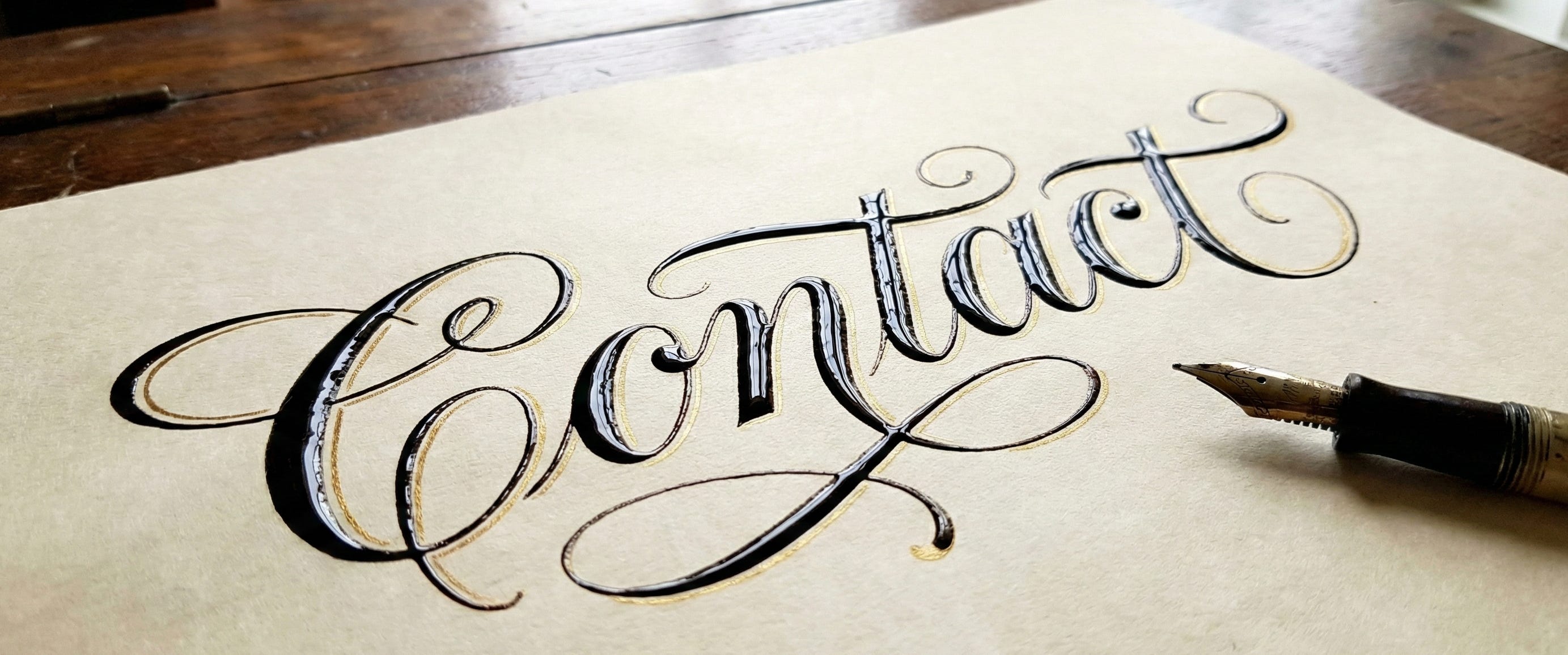
Contact. This is the big C, the capital C – the raison d’être of the industry itself (pardon my Franch). People attend an event to be with other people. To have contact with peers, pals, and partners. They come to spend time together.
This has become an even stronger unique selling point as trust in digital channels implodes, and a tsunami of AI-generated content washes over everyone online. Physical presence, shared moments, and human interaction are our core value proposition.
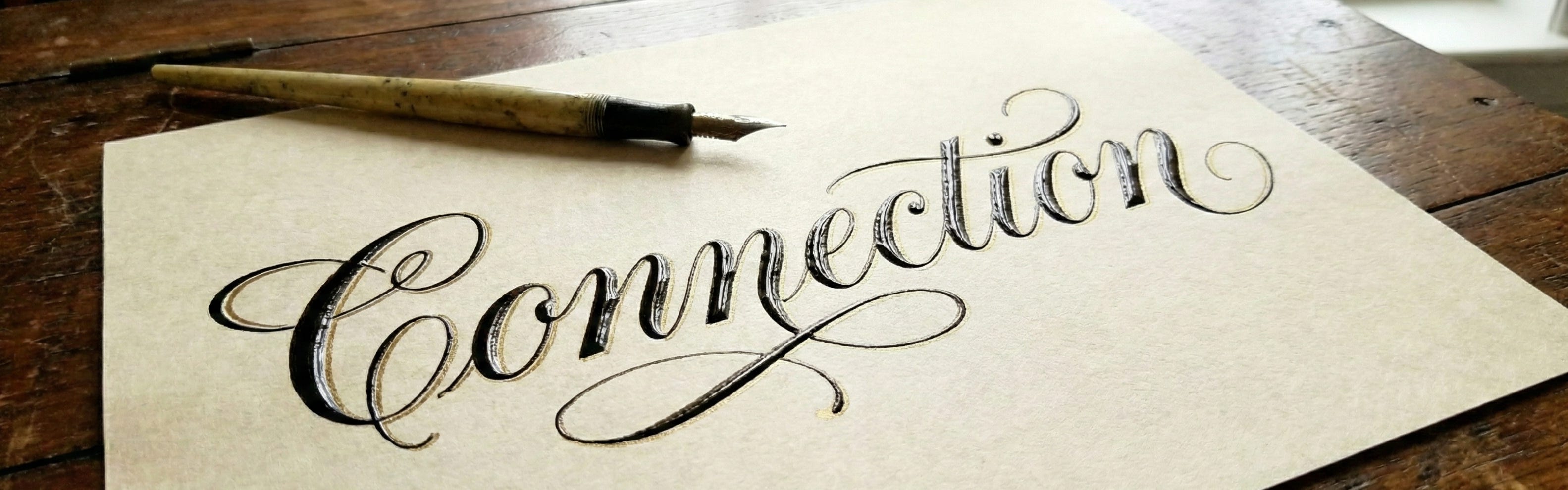
Connection. This is about interpersonal business and industry relationships. It covers the “meet with existing customers” need as well as the “get to know new suppliers/customers/leads” crave. Introverts and extroverts, Gen Z and Boomers: everyone attends an event to connect with other people.
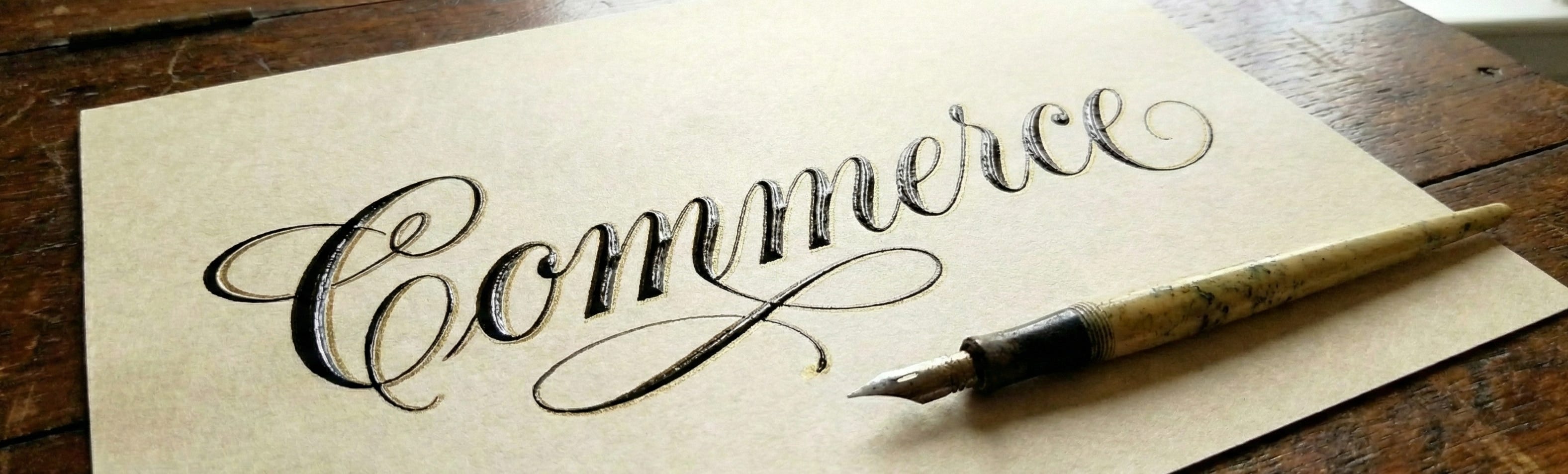
Commerce. Business events are about – business. While that sounds obvious, it is often underplayed in discussions and decisions about format and experience design.
People attend events to prepare for business, negotiate orders, and close deals. Having dozens, even hundreds, of commercial conversations over two to three days is and remains the most efficient way to drive business for many executives and their teams.
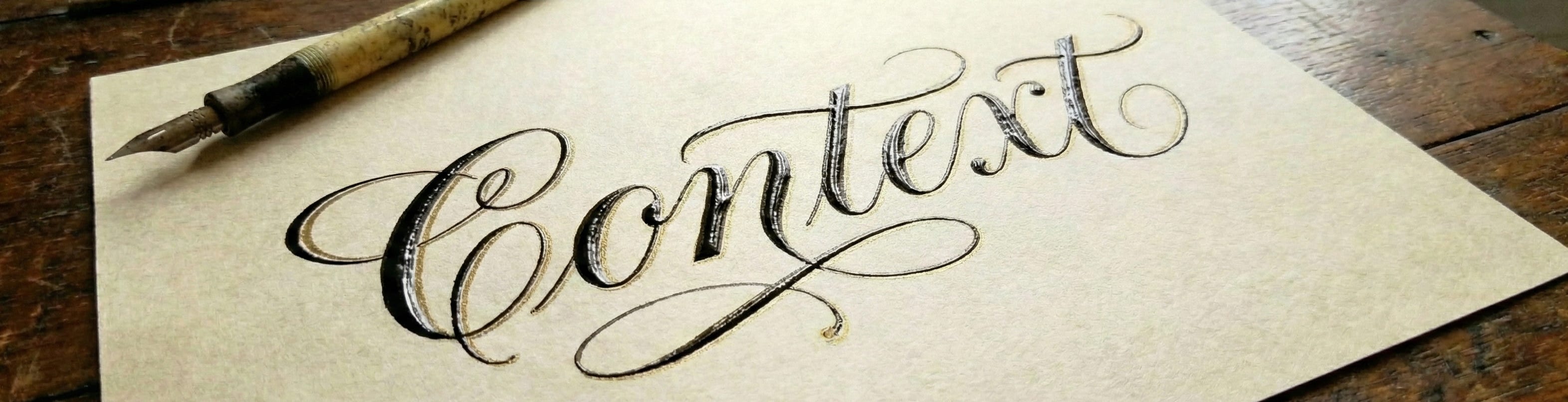
Context. Whether an association convenes a professional community or a trade show brings together an entire industry, participants attend to understand where things are heading.
Events provide insight into market direction, innovation pipelines, and emerging ideas. They create shared context, alignment, and forward momentum that cannot be replicated in isolation
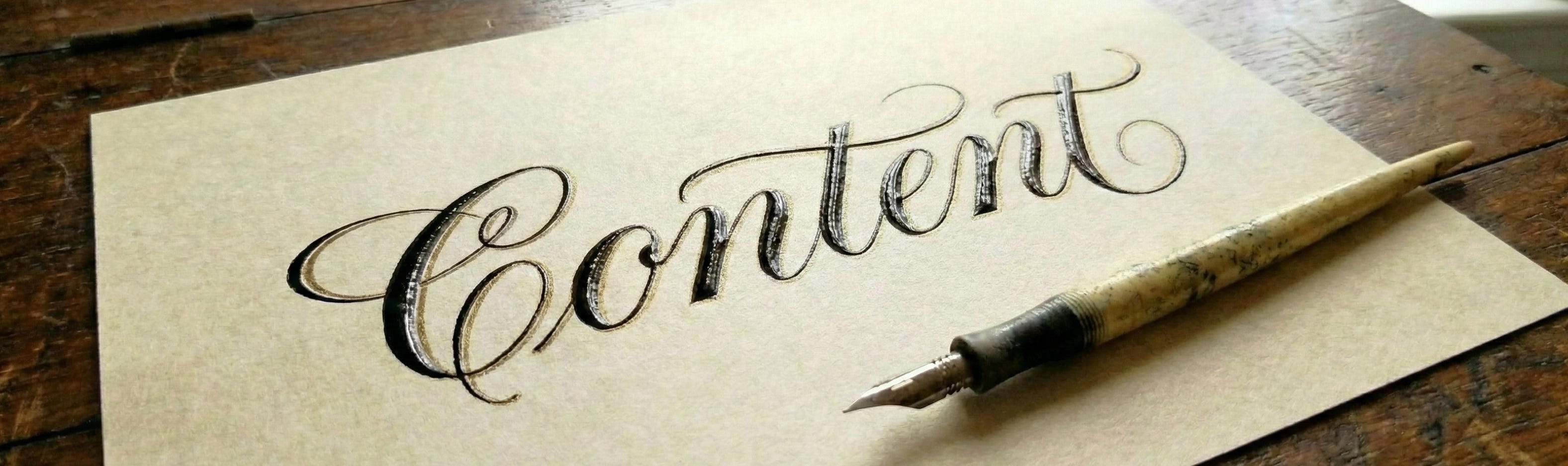
Content. On the main stage, and in break-out sessions, over a coffee and outside of the “official” programme - content is everywhere at events. A strong session acts as a magnet for attendants, but its true value often lies in the conversations it sparks afterwards.
At the same time, content – if captured well by the organiser – is the only element on this list that can be equally consumed by the attendee after the event.

And finally: Convenience. While the other Cs define purpose, this one shapes an event’s identity. Convenience is how the event is designed and produced, and how it feels to experience.
There are basics (quality of the event space, services like bathrooms and wifi). There are attitudes (staff interacting with customers). There are services (matchmaking, tours, 1:1 introductions)… this list goes on.
How high on your “C list” you place this will define the experience, not the function.
That’s the list. All the “C”s you need for a successful event.
You will likely prioritise commerce over content if you build a tradeshow.
You will likely put context over content at an association congress.
If you’re a media business expanding into events, you have to balance what to add to the content you bring, and how.
And as a corporate event planner, maybe convenience tops everything as you have a wider brand positioning to pay into.
There simply are SO MANY WAYS to build the “best” event. May you all succeed in doing just that in 2026!
(And, if you want support doing this – well, contact me).